
Best Practices for Stage Lighting: Upscale the Experience, Improve the Impact
When you’re planning a conference, keynote, summit, or panel, stage lighting isn’t just a technical detail — it’s a strategic choice that shapes your attendees’ experience, your brand presence, and your final event photography. Thoughtful lighting helps speakers look confident, ensures your audience stays engaged, and allows your event photographer to capture high-quality images you can use for marketing, social media, PR, and leadership communications.
After photographing hundreds of corporate events across Chicago — from McCormick Place to hotel ballrooms to convention centers — here are the stage-lighting essentials that consistently make the biggest difference.
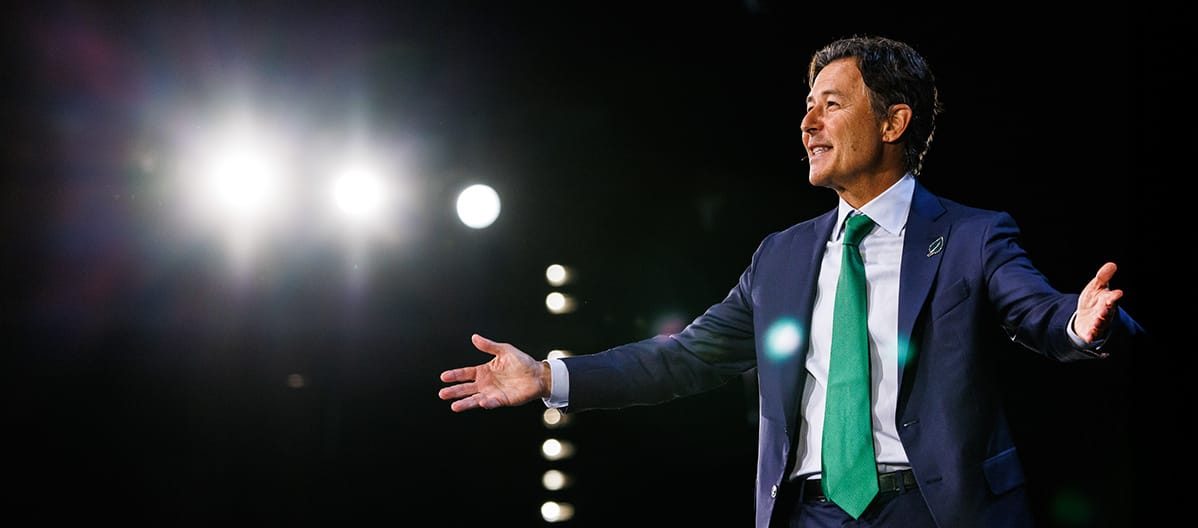
Use Three-Point Lighting to Build Depth
- Prevents underexposed faces
- Maintains natural color
- Reduces noise (grainy photos) and preserves detail
Fill Light: Placed opposite the key light, fill light softens shadows and evens out skin tones. It keeps lighting consistent across a panel, so one speaker isn’t half-lit while another is bright.
Back Light: This creates separation between speakers and the backdrop so they don’t visually blend together—especially important with LED walls or bright branded backgrounds.
When these three elements work together, the stage looks intentional and elevated — and your final gallery reflects that.
Don’t Overlook the Podium—Make It Part of Your Brand Story
Podiums often get forgotten in lighting plans, yet they’re a focal point of your event. They host CEOs, keynote speakers, panel moderators, and presenters you’ll want clear, expressive photos of. A well-lit podium strengthens your brand presence, keeps your audience focused, and ensures media-quality corporate event images.
Podium lighting tips:- Add a dedicated spot or soft wash that illuminates the speaker’s face and upper body.
- Avoid harsh overhead lights that cast shadows under the eyes.
- Ensure the podium surface isn’t overly reflective.
- Keep podium graphics visible and evenly lit for photography.
Use Color and Focus with Purpose
Color can add atmosphere when used thoughtfully. LED uplights and color washes should stay primarily on the background, not on the speakers’ faces. Intentional color choices allow your event photographer to create crisp, vibrant images without battling strong color casts.
Smart color use includes:- Keeping brand colors behind the speakers
- Avoiding color spill onto faces
- Making sure color temperature stays consistent
- Using gradients that don’t overpower front lighting
What Can Happen If The Stage Isn’t Lit Properly
Even the best corporate event photographer can’t fix certain physics. These issues happen when stages rely only on uplighting or when speakers are placed directly against a bright backdrop. The goal isn’t perfection — it’s consistency. A well-lit stage delivers that.
Common problems:
- Underexposed faces: Speakers fall into shadow while the background glows brightly.
- Uneven lighting across panelists: One speaker is bright, one is dark, creating inconsistency.
- Mixed color temperature: Blue or magenta LED light mixes with tungsten or house light.
- No separation from the backdrop: Speakers blend into the background, reducing detail.
- Visible shadows on the backdrop: Common when chairs are pushed directly against it. Place chairs 4–6 feet away from LED backdrops.
- Reduced image variety: Fewer usable angles for photography.
Your images are a long-term asset. Poor lighting means:
- Reduced clarity
- Fewer marketing-ready frames
- Limited speaker portraits
- Lower content value
Do not rely on ceiling lights or general room lighting to illuminate your speakers. Overhead house lights simply aren’t designed to light faces on stage — they’re too dim, too far away, and too uneven. They may make the room feel bright, but they do not provide the directional, front-facing illumination needed for clean, expressive, high-quality photos. Without dedicated stage lighting, speakers fall into shadow, colors shift, and you lose detail that even the best photographer with the best gear can’t recover.
Lighting Issues in Action
First image: The panelists look unevenly lit because the event relied mostly on the overhead ceiling lights. These lights aren’t directional enough to illuminate speakers evenly, so some faces fall into shadow while others are brighter. A consistent front key light across the whole panel would make everyone evenly visible.
Second image: Most of the illumination is coming from the bright screen behind the speakers, which causes color spill and makes faces appear dimmer. Adding balanced, front-facing fill light would help keep skin tones natural and ensure the panel is the brightest part of the frame.
Pre-Event Lighting & Stage Setup Checklist
A quick guide for AV teams, producers, and event planners to ensure strong main-stage photography for your next corporate event.
Lighting Layout:
- Front/key light covers the entire stage evenly
- Fill light balanced across all speakers
- Backlight added for depth and separation
- Avoid harsh contrast, hot spots, or shadowed facial features
Panel & Podium Setup:
- Place podiums and panel chairs 4–6 feet from the backdrop
- Provide dedicated, even lighting for the podium
- Ensure panel chairs are spaced so no speaker is blocked from side angles
- Keep the front of the stage clear of cables, cases, and monitors
Screens & Projection:
- Slightly dim screens to prevent glare
- Ensure LED colors do not spill onto speakers
- White screens wash out on camera; choose darker tones when possible
- Test lighting from the camera’s perspective
Photography Considerations:
- Check for even illumination across main stage during walk-through
- Verify balanced exposure from both center and side angles
- Confirm aisles and camera positions allow movement between angles
- Allow time in the schedule for a proper lighting check before doors open
Final Thoughts
Great lighting elevates your event and ensures your photography reflects its quality and energy. Lighting is one of the smartest investments you can make — it raises the production value of your event and directly improves your photos, which in turn helps you market future events and bring people back year after year. If you’d like us to review your staging or lighting plan before your next event, we’re always happy to help.
For more information on how to produce main stage sessions that wow attendees, check out our top tips. Contact us today to review your lighting plan or request a custom quote.